
Pretrial Logistics Planning Guide for Effective Trial Prep
- David Nguyen
- 7 days ago
- 8 min read
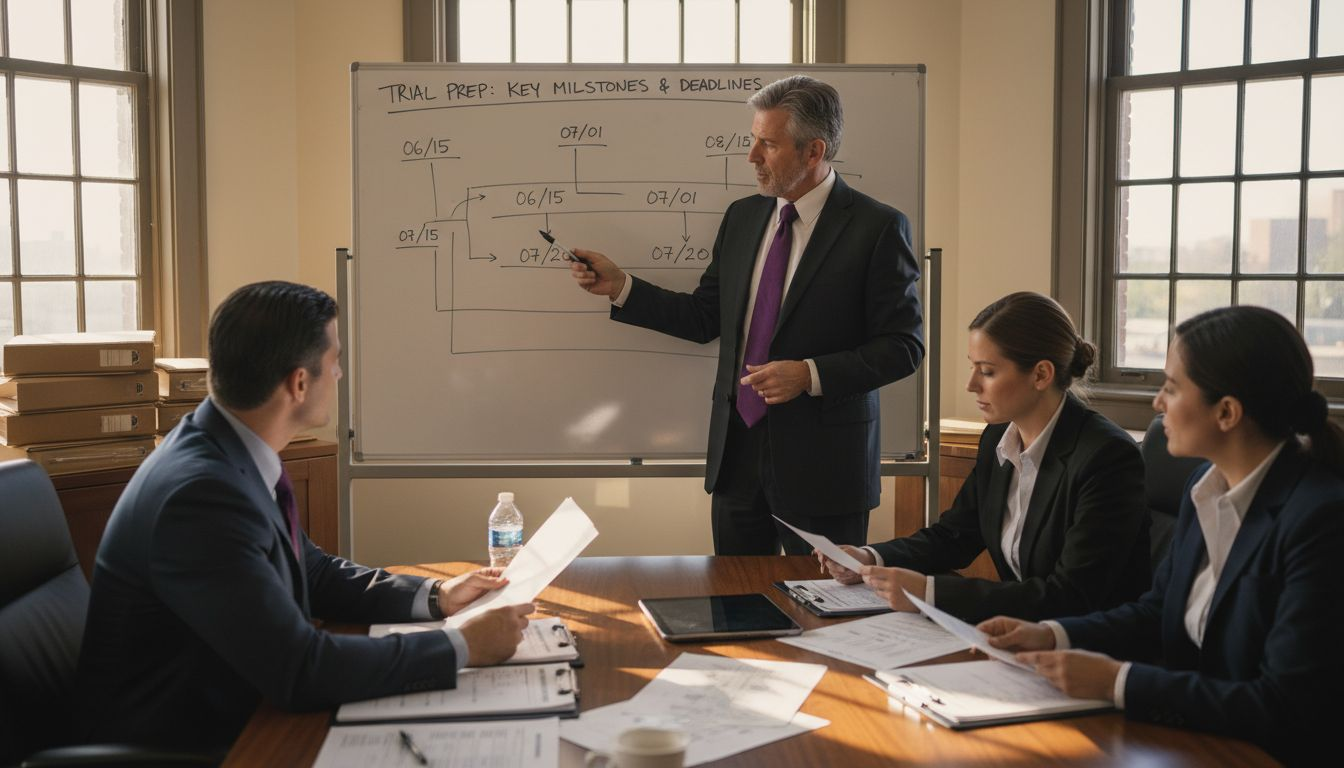
Managing a complex case often means juggling technical demands, heavy evidence loads, and strict regulatory requirements—all while aiming for a flawless courtroom performance. For American defense attorneys, overlooked logistics can become costly setbacks that disrupt momentum and compromise results. This guide breaks down a practical, step-by-step approach to efficient pretrial logistics solutions so you can build stronger cases, present with confidence, and keep your trial operations running smoothly from the first planning phase to final arguments.
Table of Contents
Quick Summary
Key Point | Explanation |
1. Assess Case Logistics Early | Conduct a thorough review of case materials to identify logistics needs for effective trial preparation. |
2. Create a Detailed Checklist | Develop a comprehensive logistics checklist to ensure no critical details are overlooked during planning. |
3. Coordinate Technology Efficiently | Align technology and support resources to streamline operations and prevent potential technical issues. |
4. Establish a Functional War Room | Setup a dedicated war room with essential technology and security protocols for optimized trial operations. |
5. Verify Readiness Thoroughly | Conduct a complete readiness verification to ensure every aspect of trial preparation is tested and coordinated. |
Step 1: Assess Case Logistics Requirements
Assessing case logistics requirements is a critical first phase in developing a comprehensive pretrial strategy that ensures smooth trial preparation. By systematically evaluating your case’s technical, resource, and organizational needs, you’ll establish a solid foundation for effective courtroom presentation.
Begin by conducting a comprehensive review of your case materials, focusing on critical logistics considerations. Key areas to examine include:
Evidence management requirements and volume
Technical equipment and presentation needs
Witness preparation and coordination logistics
Courtroom technology infrastructure
Document reproduction and distribution protocols
Additional crucial steps involve analyzing trial regulatory requirements to ensure comprehensive compliance. This means carefully reviewing ethical considerations, participant protections, and procedural standards that could impact your trial preparation. Understanding these nuanced requirements helps preempt potential challenges and streamlines your overall logistics planning.
Documenting your logistics assessment creates a clear roadmap for trial preparation. Break down each logistical element into specific action items, assign responsibilities, and establish clear timelines for completion. This methodical approach transforms complex preparation into manageable, executable steps.
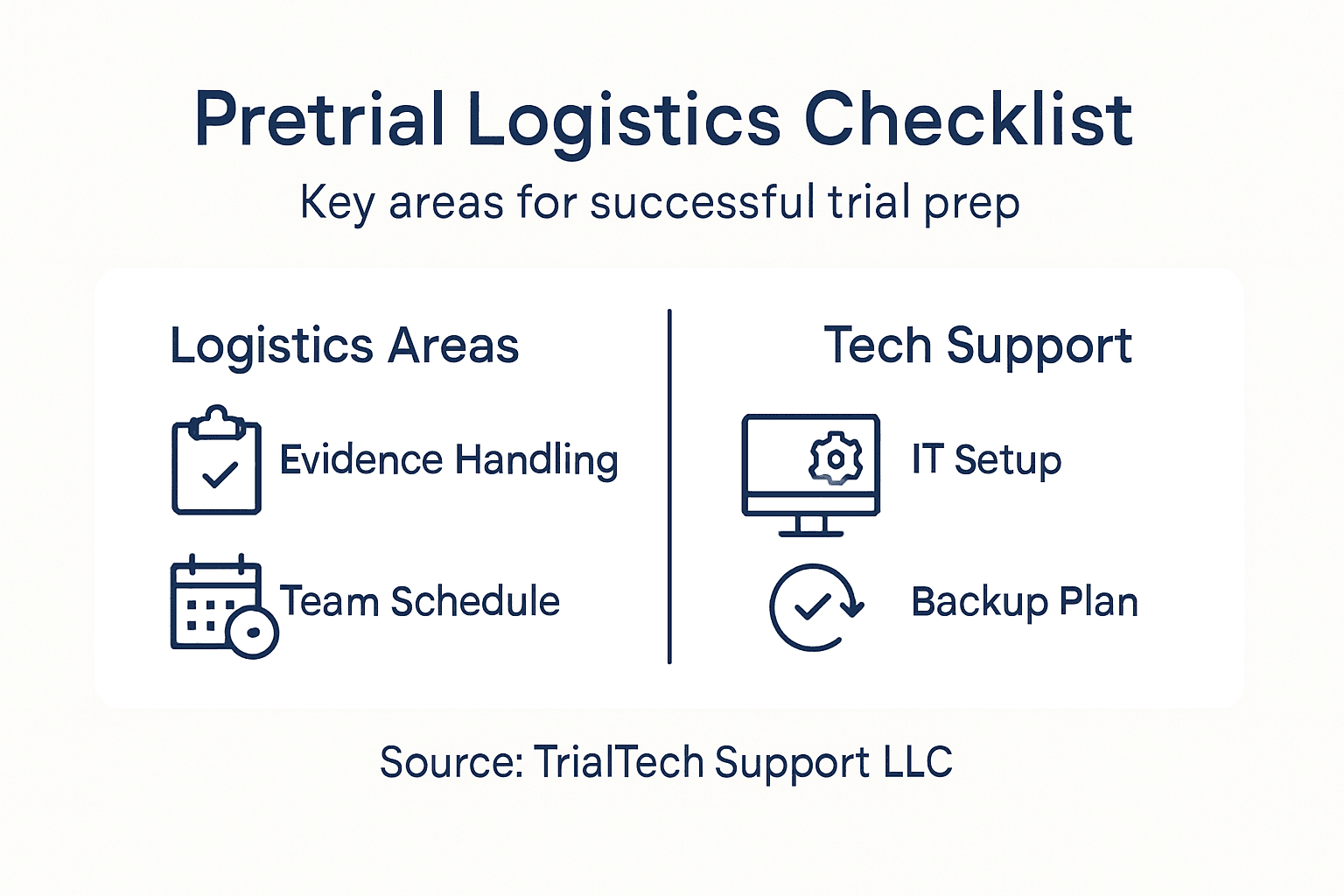
Here’s a summary of key logistics elements and their strategic impact:
Logistics Element | Strategic Impact | Best Practice |
Evidence management | Ensures smooth trial preparation | Centralized tracking system |
Witness coordination | Improves schedule efficiency | Pre-trial interview plans |
Technology integration | Reduces technical issues | Regular system audits |
Document reproduction | Prevents distribution errors | Secure print protocols |
Pro tip: Create a centralized digital logistics tracking system that allows real-time collaboration and updates among your legal team members, ensuring everyone stays aligned and informed throughout the preparation process.
Step 2: Develop a Comprehensive Logistics Checklist
Developing a comprehensive logistics checklist transforms complex trial preparation into a structured, manageable process. This strategic document serves as your roadmap, ensuring no critical detail falls through the cracks during pretrial planning.
Begin by creating a detailed checklist that covers all essential aspects of trial logistics. Comprehensive protocol development requires a systematic approach that addresses multiple critical components:
Evidence organization and management protocols
Technology and equipment inventory requirements
Witness coordination and communication strategies
Courtroom layout and technical infrastructure needs
Document handling and reproduction procedures
Compliance and regulatory verification steps
Each checklist section should include specific action items, responsible team members, and estimated completion timelines. By breaking down complex logistics into granular tasks, you create a clear framework that enables precise tracking and accountability. Pay special attention to regulatory compliance requirements, ensuring that every aspect of your preparation meets legal and ethical standards.
Consider developing your checklist as a dynamic, collaborative document. Use digital tools that allow real-time updates and team collaboration, enabling seamless communication and immediate status tracking. This approach transforms your logistics checklist from a static document into a living, adaptive preparation tool.
A well-designed logistics checklist is not just a document—it’s your strategic blueprint for trial success.
Pro tip: Create digital checkpoints within your logistics checklist that require sign-off from key team members, ensuring comprehensive review and accountability at each critical preparation stage.
Step 3: Coordinate Technology and Support Resources
Coordinating technology and support resources is a critical step in ensuring your trial preparation runs smoothly and efficiently. This process involves strategically aligning your technological tools, digital platforms, and human resources to create a seamless operational environment for your legal team.
Clinical trial technology coordination requires a comprehensive approach that addresses multiple interconnected elements. Begin by identifying and mapping out the key technological resources your trial will require:
Communication platforms for team collaboration
Digital evidence management systems
Remote monitoring and documentation tools
Secure data storage and transmission infrastructure
Technical support and troubleshooting resources
Backup systems and redundancy planning
Each technological resource should be carefully evaluated for compatibility, security, and performance. Integration is key - your systems must work together seamlessly, allowing for real-time information sharing and quick problem resolution. Consider conducting a thorough technology audit to identify potential gaps or inefficiencies in your current setup.
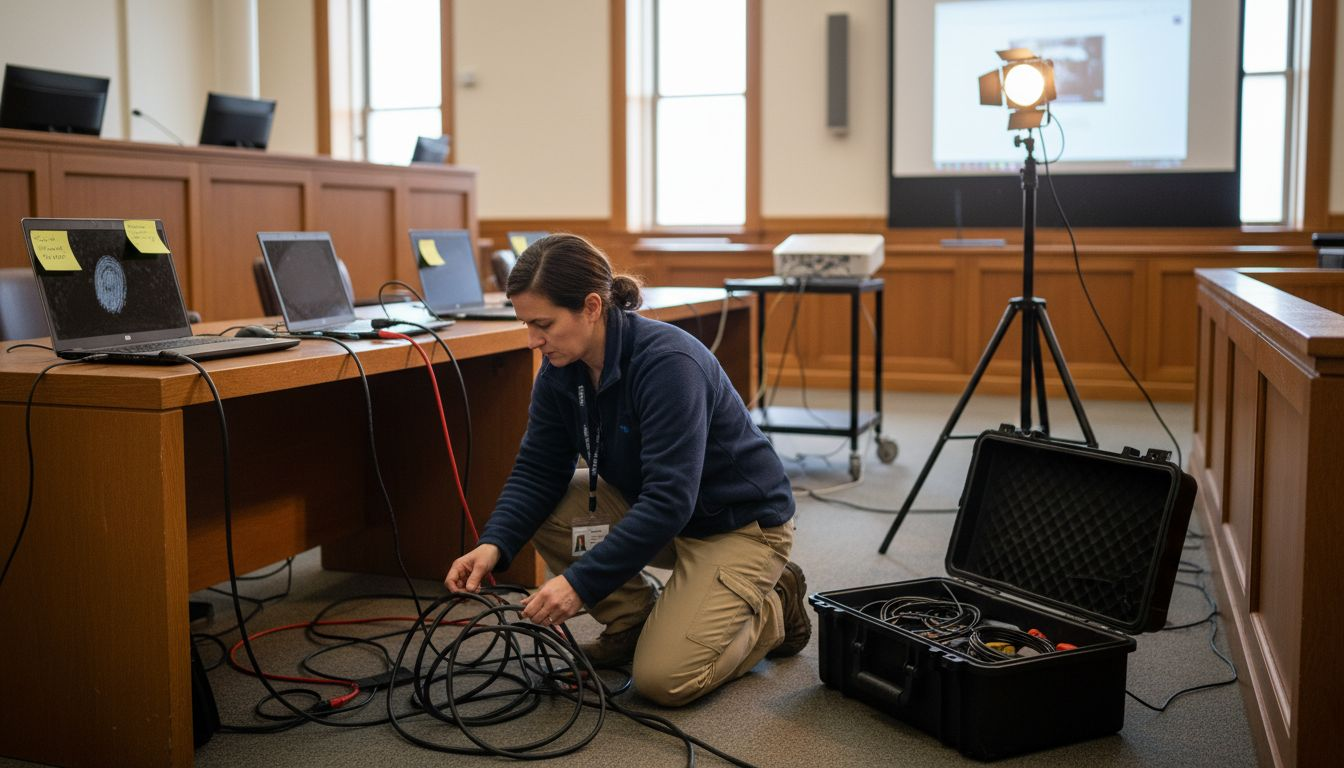
Establish clear protocols for technology usage, including access permissions, data handling procedures, and emergency backup plans. Assign specific team members to manage different technological aspects, ensuring someone is always responsible for maintaining system integrity and addressing potential technical challenges.
This table outlines roles and responsibilities during trial technology coordination:
Role | Primary Responsibility | Critical Task Example |
IT Specialist | System security and support | Manage encryption settings |
Legal Assistant | Document management | Digital evidence uploads |
Team Lead | Coordination and oversight | Schedule technology tests |
Trial Attorney | Final presentation delivery | Operate in-court tech tools |
Effective technology coordination transforms complex trial preparation from a potential logistical nightmare into a streamlined, efficient process.
Pro tip: Schedule a comprehensive technology rehearsal before the actual trial, allowing your team to test all systems, identify potential issues, and develop contingency strategies in a low-stakes environment.
Step 4: Establish War Room and Onsite IT Setup
Establishing a robust war room and onsite IT infrastructure forms the technological backbone of your trial preparation strategy. This critical step transforms an ordinary workspace into a high-performance command center designed to support seamless legal operations.
Trial war room infrastructure requires meticulous planning and strategic technology integration. Your setup should encompass several key technological elements:
Secure network configuration
Multiple redundant communication channels
High-performance workstations and displays
Robust data storage and backup systems
Encrypted document management platforms
Real-time collaboration software
Begin by mapping out your physical space to optimize technological deployment. Ergonomic workstation placement is crucial, ensuring team members can interact efficiently and access necessary resources quickly. Consider creating dedicated zones for different functional activities such as evidence review, strategy sessions, and technical support.
Implement comprehensive security protocols to protect sensitive information. This includes establishing strict access controls, using virtual private networks (VPNs), enabling multi-factor authentication, and creating clear guidelines for digital asset management. Every technological resource must be configured with both performance and confidentiality in mind.
A well-designed war room is more than technology—it’s a strategic nerve center that can make or break your trial preparation.
Pro tip: Conduct a full technical dress rehearsal at least one week before your trial, simulating potential scenarios to identify and resolve any potential technological vulnerabilities.
Step 5: Verify Readiness and Trial Presentation Flow
Verifying trial readiness is the final critical checkpoint that ensures your entire preparation strategy translates into a seamless courtroom performance. This comprehensive review transforms your meticulous planning into a well-orchestrated legal presentation.
Trial documentation management demands a systematic approach to confirming every aspect of your preparation. Begin by conducting a thorough verification process across multiple dimensions:
Evidence organization and accessibility
Presentation technology functionality
Team communication protocols
Backup systems and contingency plans
Witness and expert testimony readiness
Digital and physical document synchronization
Develop a comprehensive verification checklist that covers each critical component of your trial presentation. This should include detailed walkthrough procedures that simulate actual courtroom scenarios, allowing you to identify and resolve potential issues before they can impact your performance. Pay special attention to technical integrations, ensuring all digital systems communicate seamlessly and backup mechanisms are fully functional.
Schedule a complete rehearsal that involves all key team members, mimicking the actual trial environment as closely as possible. This allows you to test not just technical systems, but also team coordination, communication flows, and individual presentation strategies.
Readiness is not about perfection—it’s about identifying and mitigating potential challenges before they become critical problems.
Pro tip: Create a real-time digital dashboard that tracks verification status across all preparation dimensions, enabling instant visibility into your trial readiness progress.
Master Your Pretrial Logistics with Expert Support
The article highlights how critical detailed planning and coordination are for trial success. Tackling challenges like evidence management, technology integration, and setting up a war room requires precision and expert oversight. If you are struggling to keep every logistical element on track or want to eliminate risks related to technical failures and last-minute surprises, you are not alone. Key goals include ensuring seamless collaboration, maintaining secure communication, and verifying readiness step by step.
TrialTech Support LLC understands the pressure of flawless trial preparation. Our solutions offer specialized professionals such as skilled graphics specialists and experienced presentation technicians who expertly manage your pretrial logistics. We deliver fully equipped war rooms and reliable onsite IT support so your team can focus on winning the case instead of technology hiccups. Transform your planning into confidence and control by partnering with us.
Ready to elevate your trial preparation? Discover how our comprehensive services align perfectly with the logistics strategies discussed in the Pretrial Logistics Planning Guide for Effective Trial Prep.

Take the next step toward seamless trial readiness today by exploring our customized trial technology services at TrialTech Support LLC. Let us help you safeguard every detail and power your success with expert logistics and technology coordination.
Frequently Asked Questions
What are the key steps in pretrial logistics planning?
Pretrial logistics planning involves several key steps: assessing case logistics requirements, developing a comprehensive logistics checklist, coordinating technology and support resources, establishing a war room and onsite IT setup, and verifying readiness and trial presentation flow. Begin by systematically assessing your case’s needs to ensure nothing is overlooked during preparation.
How do I assess my case’s logistics requirements effectively?
To assess your case’s logistics requirements, review all case materials focusing on evidence management, technology needs, witness coordination, and court infrastructure. Break down each aspect into actionable items, assign responsibilities, and set timelines for completion to streamline the process.
What should be included in a comprehensive logistics checklist for trials?
A comprehensive logistics checklist should cover aspects such as evidence organization, technology inventory, witness coordination, courtroom infrastructure needs, document handling procedures, and regulatory compliance. Create specific action items with assigned team members and deadlines to stay organized and accountable.
How do I coordinate technology resources for trial preparation?
Coordinate technology resources by mapping out essential tools such as communication platforms, evidence management systems, and secure data storage. Establish integration protocols to ensure all tools work together effectively, and assign team members to manage different technological aspects for streamlined operations.
What is a war room, and how do I set one up for trial?
A war room is a dedicated space designed to support trial preparation with necessary technology and resources. Set up your war room by configuring secure networks, high-performance workstations, and real-time collaboration tools, ensuring a functional environment that facilitates optimal team coordination.
How can I verify my trial readiness before the actual presentation?
To verify trial readiness, conduct a thorough review of evidence organization, technology functionality, communication protocols, and witness preparedness. Use a comprehensive verification checklist to simulate courtroom scenarios and identify any potential issues to resolve them in advance.